New evidence on flexible working in Scotland is pointing to something important. This isn’t about whether flexible working works anymore. It’s about how to make it work, in practice, across more roles.
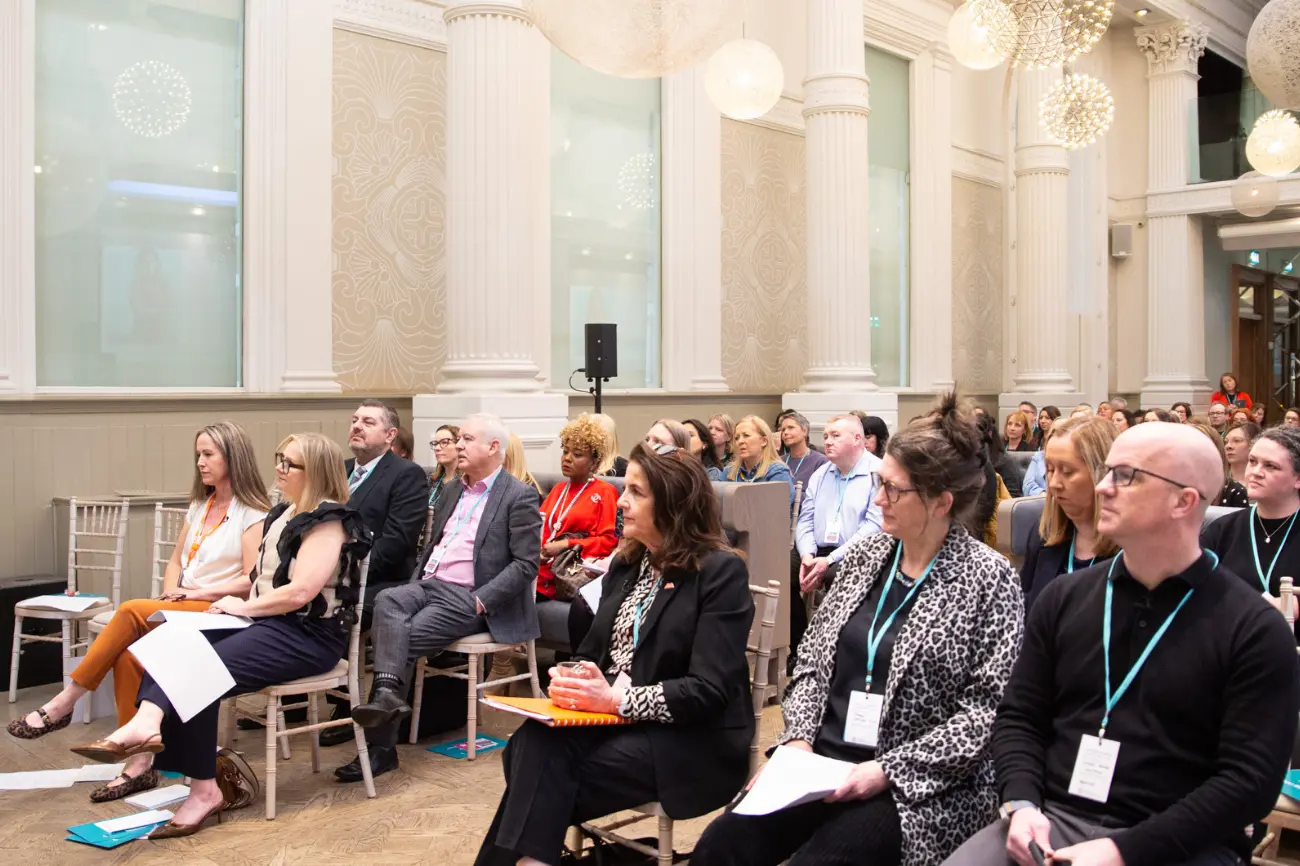
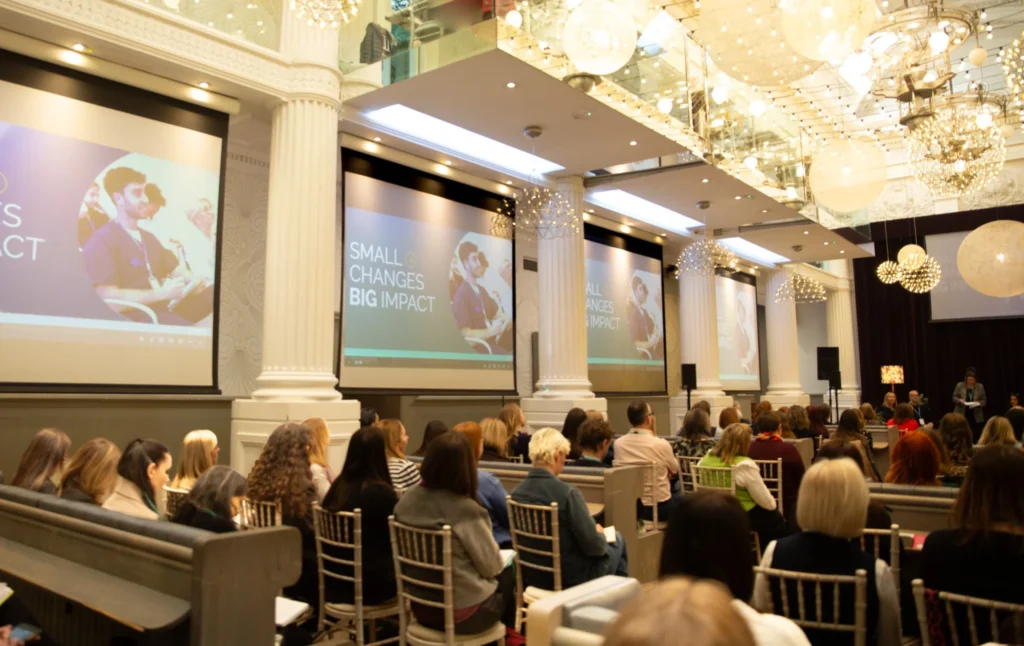
At Scotland’s first Flexible Working Summit, supported by the Scottish Government, employers, policymakers and experts came together to focus on one of the biggest remaining challenges, how to extend flexibility into frontline and service-led roles. Because while flexible working is now common in many desk-based jobs, access is still uneven, and that gap matters.
Our latest research shows that flexible working has the potential to support up to 25,000 more people into employment in Scotland, particularly parents, carers and people with health conditions. But only if it works across more roles.
The flexibility gap, and why it matters
Flexible working is now the norm for many people. But not for everyone.
Frontline roles are still far less likely to offer flexibility, even though the demand is there, and the impact is real.
For some people, a lack of flexibility means:
- not being able to take a job
- not being able to stay in work
- or not being able to progress
Closing that gap isn’t just about fairness. It’s about workforce participation, business performance and the wider economy.
What employers are already doing (and what’s working)
One of the strongest themes from the Summit was this: Flexible working doesn’t need to be a big redesign and Iin many cases, it starts with small, practical changes.
Hearing directly from employers made that clear.
Small changes making a big difference
Employers from across different sectors shared what this looks like in practice, in their own words.
Linda McCall, Co-owner and Financial Director at Alba Facilities Services
“we have given our team at Alba the gift of time, a day a week to choose how they want to spend it. Staff turnover dropped by 20%, overwhelming sense of loyalty, focus on effectiveness rather than working hours”
Janette McAllister, Managing Director at McAllister Litho Glasgow
“We adjusted our rota planning to give staff more say in when they work, and it’s had a really positive impact, smoother coverage, fewer last‑minute changes, and a team that feels genuinely more supported.”
Stephen Currie, Managing Director, R&W Scott
“The change we made was more of a change of mindset, and being open to suggestions to accommodate flexibility in some way for every role in our business. The result has been improved morale and an ability to attract candidates we may previously have missed out on.”
John McMorrow, CEO, Melville Housing Association Melville Housing Association
“We introduced a 4-day working week whilst paying staff for 5 days as part of our flexible working arrangements.
This change has had a significant impact on the work life balance of our staff whilst ensuring that we continue to meet all our key performance indicators.
One staff member has stated “Melville is one of the best places I’ve ever had a job….they’re very focussed on us as people, as well as workers”
Across these examples, a clear pattern emerged. These weren’t large-scale redesigns, but small, practical adjustments, often built around what teams needed day to day, and the impact is significant. These changes are helping organisations improve retention, compete in tight labour markets, support staff wellbeing and maintain performance. In many cases, flexibility is offering something employers can’t compete on elsewhere: time and autonomy.
What we heard from leaders
Across the day, a consistent message came through.
Nikki Slowey, Co-Founder of Flexibility Works, said:
“Our research shows flexible working is already improving productivity, wellbeing and retention across Scotland, but too many people are still locked out depending on the role they do.
The opportunity is significant. Flexible working could support up to 25,000 more people into employment, but only if we make it work across more sectors and roles.
This Summit is about turning that evidence into action, showing employers what’s possible in practice and supporting them to take the next step. And often, that starts with one small, practical change.”
Flexible working isn’t one-size-fits-all. But organisations that are doing it well are taking a thoughtful, tailored approach, balancing what works for their people with what works for their business.
Professor Nick Bloom, one of the world’s leading experts on hybrid working, reinforced the business case:
“There’s a lot of evidence that hybrid is actually more profitable… once you’re in three days a week, coming in four and five doesn’t really affect performance, but it cuts costs a lot, because turnover is really expensive.”
Leadership also came through as a critical factor.
Claire Brumby said:
“Flexible working doesn’t fail because of policy — it fails because of leadership. The real shift is moving from control to trust, and recognising that small, human decisions made every day create the biggest impact for both people and performance.”
And Aileen Campbell, CEO of Scottish Women’s Football, highlighted what flexibility signals:
“Flexible working sends an explicit message of the type of environment employers are seeking to create, one that values the people at the heart of their business and recognises that life is complicated and doesn’t fit neatly around the 9–5. For me personally, as a mum and as my parents get older, that means a great deal and helps me be present in the lives of those I love.”
What we heard from employees
The Summit also brought in employee voices, and these grounded the conversation in reality. Flexible working isn’t an abstract idea, it shapes everyday life for people, their families and the wider community.
It affects:
- whether someone can manage childcare
- whether they can stay in work
- whether they can balance health, family and income
For many people, flexible working isn’t a preference, it can be what makes work possible.
From policy to practice
The shift now is clear. Flexible working isn’t about policies sitting on paper, it’s about how work actually works, day to day.
What the Summit showed is:
- flexibility is possible in more roles than many employers think
- small changes can unlock significant impact
- and many organisations are already closer than they realise
What happens next
Scotland has an opportunity to close the flexibility gap, bring more people into work and build stronger, more sustainable workforces. Flexible working isn’t about working less, it’s about working differently, in ways that support both people and performance. And for many employers, the next step isn’t a big leap, but starting small and building from there.